Segovia

Edited by:
Massimo Martini
Access
Segovia is easily accessible due to its central location in inland Spain. The reference airport is the Adolfo Suárez Madrid-Barajas Airport, located approximately 90 kilometres away. The city is served by a high-speed railway station (AVE) that connects it directly to Madrid, as well as a conventional railway station for regional connections. The main road access is via the AP-61 motorway and the network of state roads that connect Segovia to the main cities of Castile and Leon and the capital.
Introduction
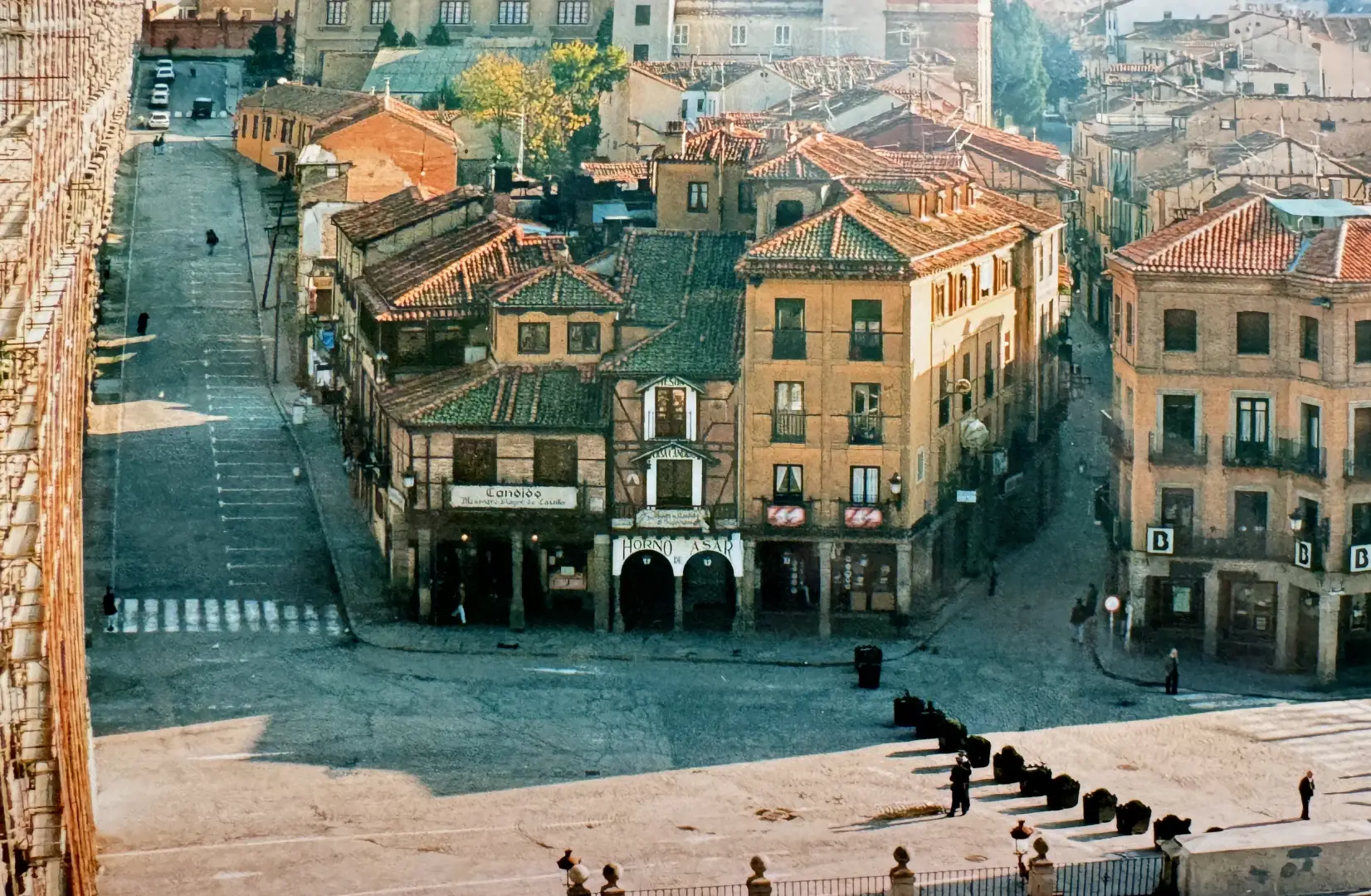
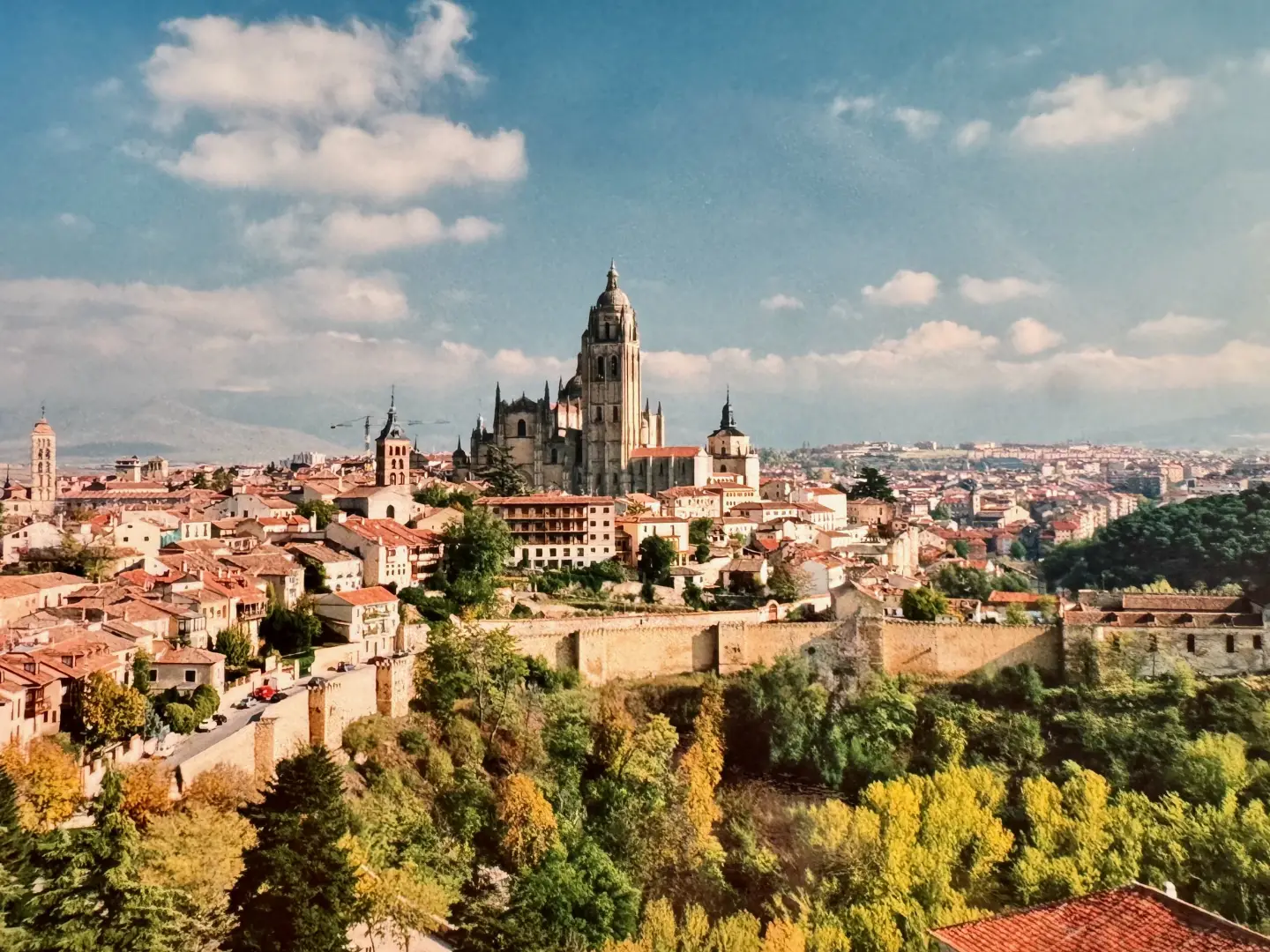
The municipality of Segovia is located in the central part of Spain, within the autonomous community of Castile and Leon, north of Madrid. It rises on a plateau at an altitude of approximately one thousand metres, in a dominant position between the Eresma and Clamores rivers, on the northern edge of the Central Meseta. The natural setting is marked by the proximity of the Sierra de Guadarrama, which contributes to defining the surrounding climate and landscape. Segovia is internationally renowned for its exceptional historical and monumental heritage, recognised by UNESCO, which bears witness to a multi-millennial settlement continuity.
Description
The municipal territory has a predominantly hilly morphology, with gentle slopes that slope down towards the river valleys and, further south, towards the first mountain slopes of the Sierra de Guadarrama. Watercourses have deeply engraved the landscape, creating green areas and ravines that surround the historic core. The views alternate between historic urban environments, cultivated fields and wooded areas, with a clear distinction between the walled city and the surrounding rural territory.
The origins of Segovia date back to pre-Roman times, with Celtiberian settlements later integrated into the Roman urban system. The aqueduct, symbol of the city, probably dates back to the end of the 1st century AD and testifies to Segovia's importance in the Roman territorial organisation. After Visigothic and Islamic domination, the city assumed a central role during the Reconquista, becoming an important political and administrative centre of the Kingdom of Castile. In the Middle Ages it was often the seat of court and the scene of important events, such as the proclamation of Isabella I of Castile. In the following centuries, Segovia maintained a strong urban identity, although it went through phases of decline and economic recovery.
The local economy has traditionally had a strong agricultural and artisan base, particularly related to wool processing and sheep farming, which in the Middle Ages made Segovia one of the main textile centres in Castile. Today, the service sector and cultural tourism play a predominant role, flanked by agri-food activities and crafts that are still present. The local gastronomy, based on Meseta products, is a significant element of the area's economy and identity.
The city's cultural life is marked by deep-rooted religious and civil traditions. The festivities dedicated to San Frutos, the patron saint of Segovia, and the Holy Week celebrations are central moments in the local calendar. The city also preserves a strong gastronomic tradition and a craft heritage related to woodworking and traditional materials.
The Segovia area offers numerous opportunities for hiking and slow tourism. Routes along the Eresma and Clamores valleys allow you to explore natural environments close to the historic centre, while connections with the Sierra de Guadarrama allow for trekking itineraries and panoramic walks of varying difficulty. The presence of natural viewpoints and historical routes makes the municipality a junction between the monumental city and the surrounding natural landscape.
Photo gallery