Groane Park

Edited by:
Massimo Martini
Introduction
Description
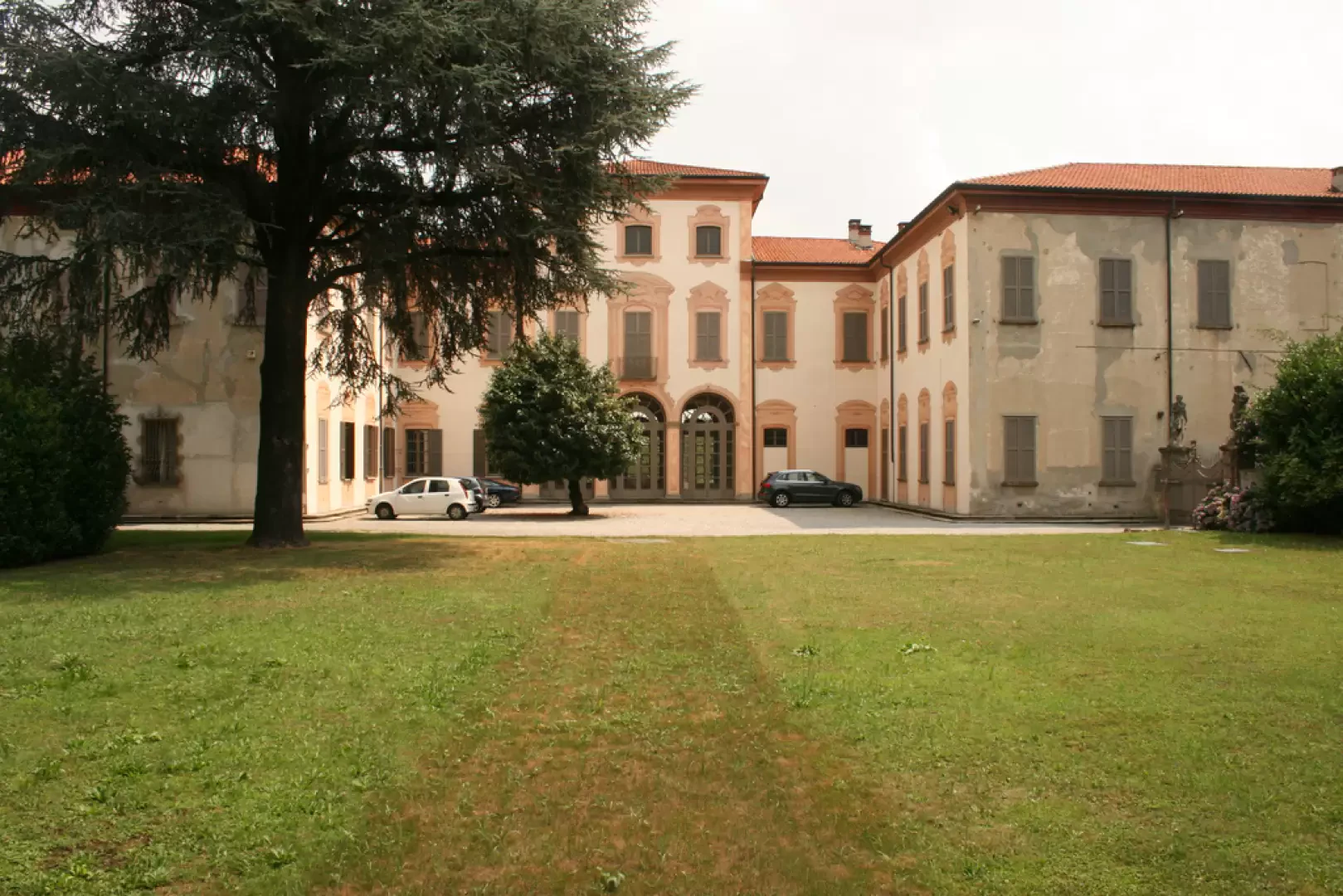
The park occupies the most continuous and important semi-natural terrain of the upper Lombardy plain, north-west of Milan. It extends over Pleistocene plateaus of glacial origin, located at higher altitudes than the surrounding terraces. It is an area of great geological and botanical interest as, over time, these clayey soils have become ferretised, i.e. enriched with iron oxides and hydroxides. The soil, which is rusty in appearance, is acidic, poor in nutrients and is impermeable on top. Not suitable for agricultural activity, it constitutes the ideal substratum for the development of heathland, a vast prairie characterised by a small shrub, the heather or calluna, which at the end of August explodes in luxuriant pink blossoms; it is accompanied by gentians, buttercups, the rare rosemary-leaved willow, young birches and, in waterlogged areas, rushes and tife. The Groane Park represents one of the most southerly heaths in Europe. The park's most mature woodlands are represented by oak and English oak, alternating with birch, maple, white hornbeam and, in cooler corners, ash. Here lives the most interesting fauna foxes, squirrels, greater spotted woodpeckers, dormice, kestrels and common owls. Close to Lombardy's capital city, the Groane park has notable elements of historical and artistic interest such as the Castellazzo di Bollate, the Valera di Arese, Villa Borromeo in Senago, Cascina Mirabello in Lentate sul Seveso. There are also notable testimonies of industrial archaeology consisting of old brick kilns, linked to the clay quarrying activities that were once intensively practised in the area.
.Information
Year founded: 1976
Area: 3.400 hectares
Maximum elevation:
Municipalities concerned: Arese, Barlassina, Bollate, Bovisio-Masciago, Ceriano Laghetto, Cesano Maderno, Cesate, Cogliate, Garbagnate Milanese, Lazzate, Lentate sul Seveso, Limbiate, Misinto, Senago, Seveso and Solaro
Institutional site: www.parcogroane.it
Contacts: info@parcogroane.it