Molise

Edited by:
Massimo Martini
Access
Molise is served by the Bologna-Taranto motorway, which runs along the Adriatic coast and exits at Termoli. The main inland axis is the state road of the Abruzzese and Appulo-Sannitico Apennines, which connects Isernia and Campobasso with Abruzzo and Puglia. Also important are the Venafrana, the Sannitica, the Fondo Valle del Biferno and the Fondo Valle Trigno. The railway network is articulated along the Adriatic route (Bologna-Lecce line, Termoli station) and on the internal lines Campobasso-Isernia-Roma and Termoli-Campobasso. There are no regional airports; the reference airports are Pescara and Naples. The port of Termoli provides seasonal maritime connections with the Tremiti Islands. In the mountainous area the road network may be critical in winter due to snow and ice.
.Introduction
Molise is a region in central-southern Italy located between the Apennine ridge and the Adriatic Sea. The territory is predominantly mountainous and hilly, with a short sandy coastal strip and an inland structure characterised by limestone reliefs and valley systems oriented towards the north-east. It borders Abruzzo, Latium, Campania and Apulia, forming a territorial hinge between central Italy and southern Italy. Historically part of Abruzzo until 1963, it assumed full administrative autonomy in 1970 with the establishment of the two provinces of Campobasso and Isernia. The settlement pattern is diffuse, with small and medium-sized centres and a network of historic inland villages. The presence of sheep tracks testifies to the historical role of transhumance as a structural element of the landscape and traditional economy. In the national excursion system, Molise represents an Apennine sector of continuity between the Abruzzo, Lazio and Molise National Park and the Matese massif, with potential for trekking, ski-hiking and long-distance trails.
.Description
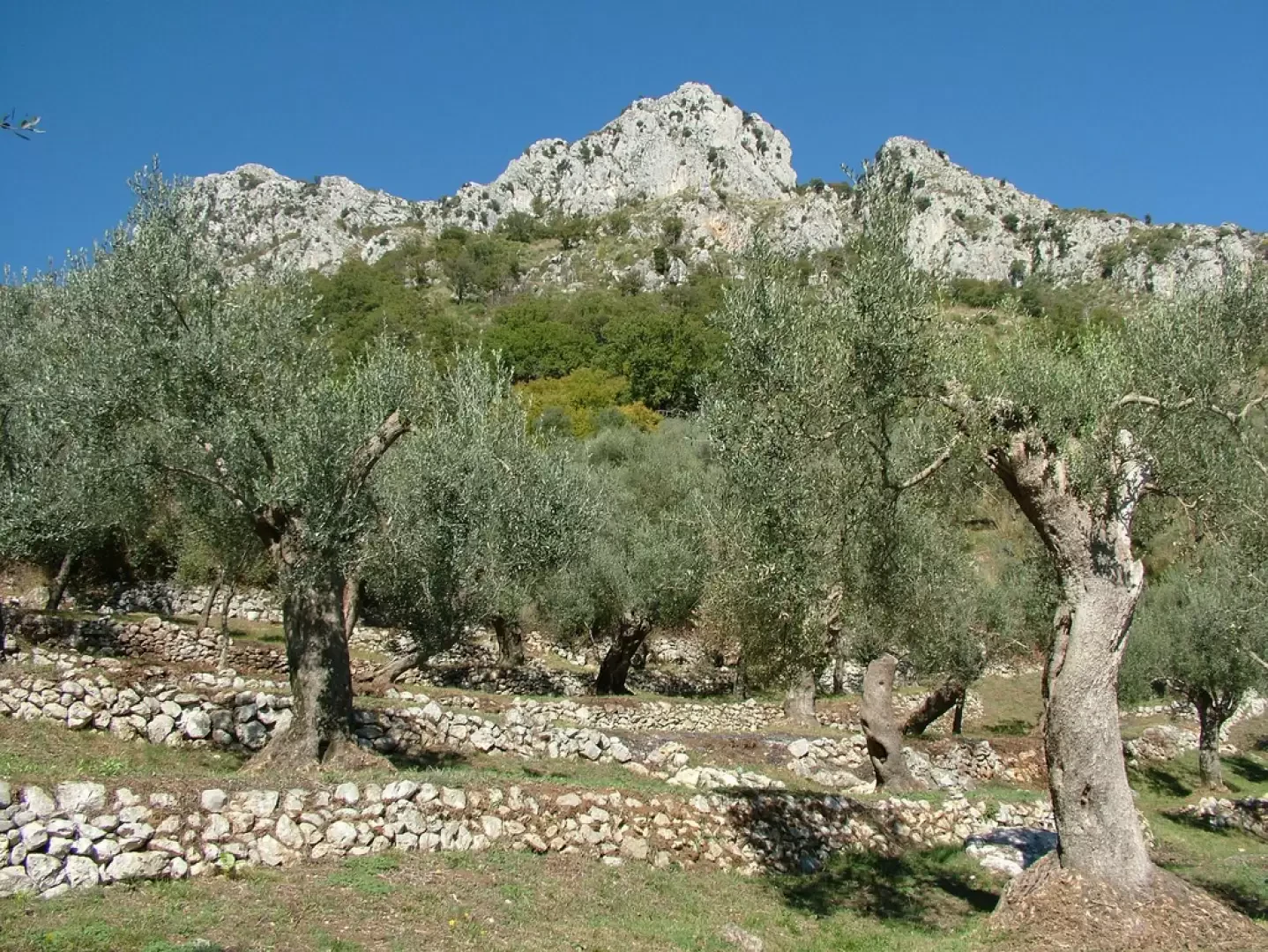
The region's territory is dominated by the limestone massifs of the Meta, Mainarde and Matese, joints of the central-southern Apennines. Mount Miletto in the Matese represents the highest elevation entirely within the region. The reliefs are mainly made up of Mesozoic limestone and marly-arenaceous formations, modelled by erosive phenomena that have cut deep valleys and determined the widespread formation of gullies in the clayey hill areas. The Adriatic coastal strip is limited and flat, interrupted by river mouths and the promontory of Termoli.
The hydrography is characterised by watercourses with a predominantly pluvial regime. The Biferno River crosses the entire regional territory, while the Trigno and Fortore mark administrative borders. There are artificial reservoirs along the Biferno and Fortore with irrigation and energy functions.
From a historical-territorial point of view, Molise has experienced a long phase of infrastructural and demographic marginality, with emigration phenomena that lasted until the second half of the 20th century. The traditional economy was based on cereal farming, sheep breeding and transhumance along the sheep-tracks towards Apulia. In the 1970s, the industrial settlement of Termoli introduced a phase of productive transformation, which was later scaled down; currently, the tertiary sector and public administration represent prevalent employment areas.
The system of protected areas includes portions of the Abruzzo, Lazio and Molise National Park and regional reserves that protect Apennine forest ecosystems. Outdoor use is concentrated on the Matese, in the area of Campitello Matese and Capracotta for winter activities, and along hiking trails linked to the sheep-track network. There remain critical issues related to hydrogeological instability in the clay areas and seismicity in the central-southern Apennines.
Information
Capital: Campobasso
Area: 4,438 km²
Minimum elevation: 0 m
Maximum elevation: 2,242m - Monte La Meta
Number of inhabitants: 286230 as of 30 November 2025
Name in dialect: -
Inhabitants name: molisani
Municipalities: 136 - list municipalities - map
Provinces: 2 - list provinces - map
Bordering regions: Abruzzo, Campania, Lazio, Puglia
Border states: none
Official website: www.regione.molise.it
Natural environment
- protected areas (1) - map
collemeluccio - map
montedimezzo - map
oasi guardiaregia-campochiaro - map
parco nazionale d'abruzzo, lazio e molise - map
riserva naturale pesche - map
riserva naturale rio gambatesa - map
alpeggi (4) - map
campitello matese - map
capracotta - map
mainarde - map
matese - map
colli e passi (5) - map
forca d'acero - map
passo del macerone - map
passo san nicola - map
castelpetroso pass - map
miranda pass - map
lakes (3) - map
liscione lake - map
guardialfiera lake - map
occhito lake - map
vette (4) - map
monte meta - map
monte miletto - map
monte marrone - map
monte campo - map
Cultural Heritage
borghi (6) - map
agnone - map
campobasso - map
frosolone - map
larino - map
termoli - map
venafro - map
castles (4) - map
gambatesa castle - map
castello monforte - map
castello pandone - map
termoli's swabian castle - map
churches (4) - map
castle pandone - map
termoli's swabian castle - map
abbey of san vincenzo al volturno - map
campobasso cathedral - map
termoli cathedral - map
castelpetroso sanctuary of the addolorata - map
sanctuaries (2) - map
madonna dell'addolorata - map
madonna dell'addolorata - map
madonna di canneto - map
Excursion structures
bivouacs (2) - map
bivouac le mainarde - map
bivouac monte marrone - map
refuges (3) - map
refuge campitello matese - map
refuge le mainarde - map
rifugio monte miletto - map
Itineraries
hiking (5) - map
mountain biking (3) - map
snowshoeing (3) - map
ski-touring (2) - map
trail running (3) - map
trekking (4) - map