
Edited by:
redazione
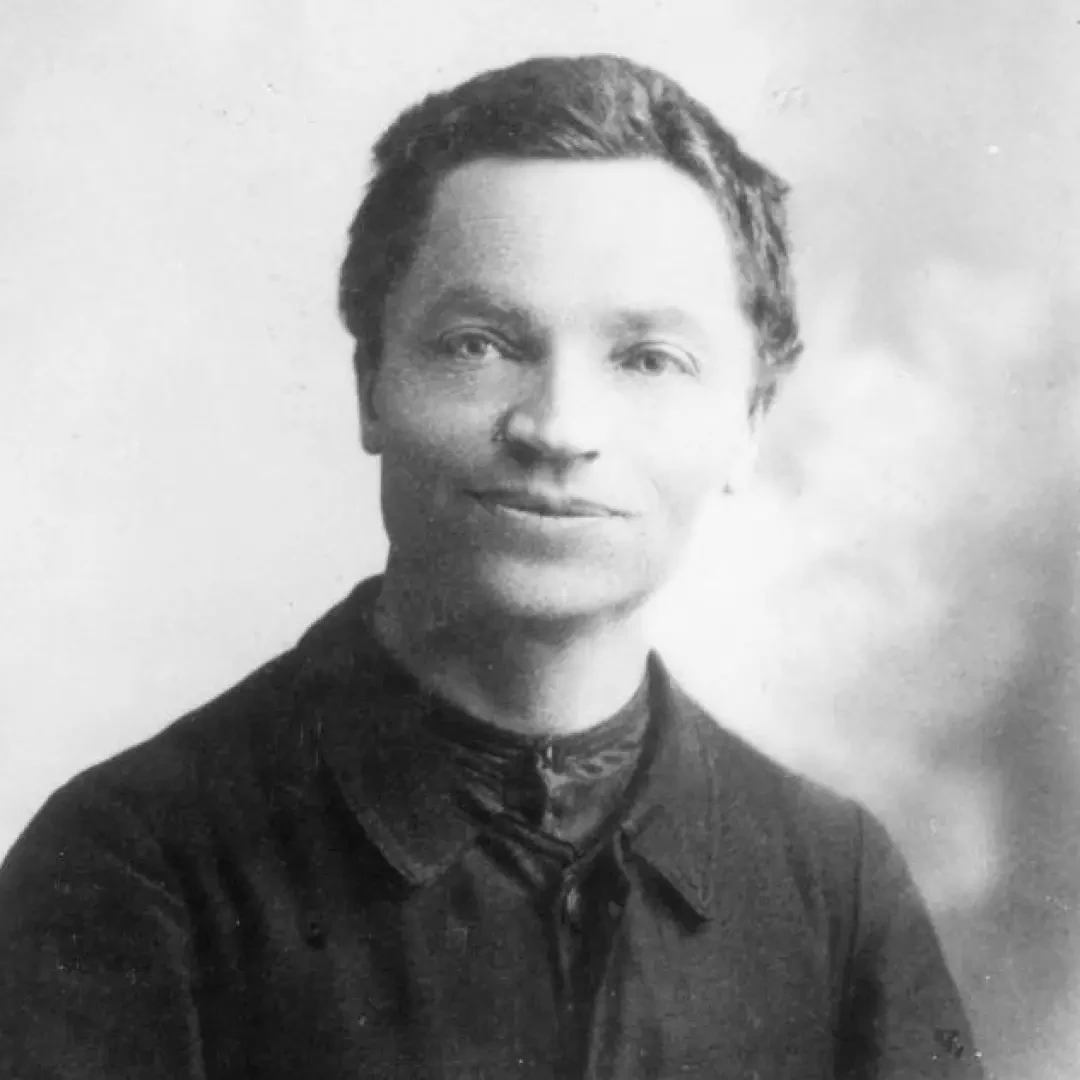
Joseph-Marie Trèves, a figure of extraordinary importance in Aosta Valley history, was born on 31 August 1874 in Erésaz, a small village in the commune of Émarèse. The youngest of twelve siblings, he grew up in a family of humble mountain people, a condition that profoundly marked his outlook on life and his future social commitment. His youth was marked by the early loss of his parents and by work in the fields, which he did until he was eighteen, when he decided to enter the seminary in Aosta.
In 1900, after his ordination to the priesthood, he celebrated his first mass at the Refuge for the Poor in Aosta, a symbolic choice that anticipated what would be his life path. He deliberately chose to exercise his ministry in small mountain parishes, to remain close to the neediest people and share their daily difficulties.
Abbé Trèves did not limit himself to his religious role alone, but became a tireless promoter of social and cultural initiatives. He dedicated himself to the creation of rural funds to economically support the poorest, founded the Caisse-pension pour les travailleurs prévoyants and the Ligue antialcoolique valdôtaine. His commitment also extended to the defence of Valle d'Aosta's cultural identity, fighting strenuously for the preservation of the French language and village schools, which had been fundamental in combating illiteracy in the valleys.
During the fascist period, his cultural resistance activities intensified. Together with Émile Chanoux, he founded the Jeune Vallée d'Aoste, one of the first organisations of peaceful resistance to the regime. His political vision, expressed in a significant letter to Abbé Gorret in 1931, hoped for the creation of a federal Italian Republic on the Swiss model, where the Aosta Valley could maintain its cultural and linguistic autonomy.
In 1925, he was assigned to the small parish of Excenex, near Aosta, where he continued his mission until his death on 21 June 1941. Faithful to the last to his principle of life, he left a sentence in his will that perfectly sums up his existence: "I was born poor, I lived poor and I want to die poor" ("Je suis né pauvre, je vis pauvre, je veux mourir pauvre").
The figure of Abbé Trèves remains a shining example of coherence between ideals and practical action, a man who knew how to combine religious faith with social and political commitment, dedicating his entire existence to defending the weakest and preserving the cultural identity of his beloved Aosta Valley.