
Edited by:
redazione
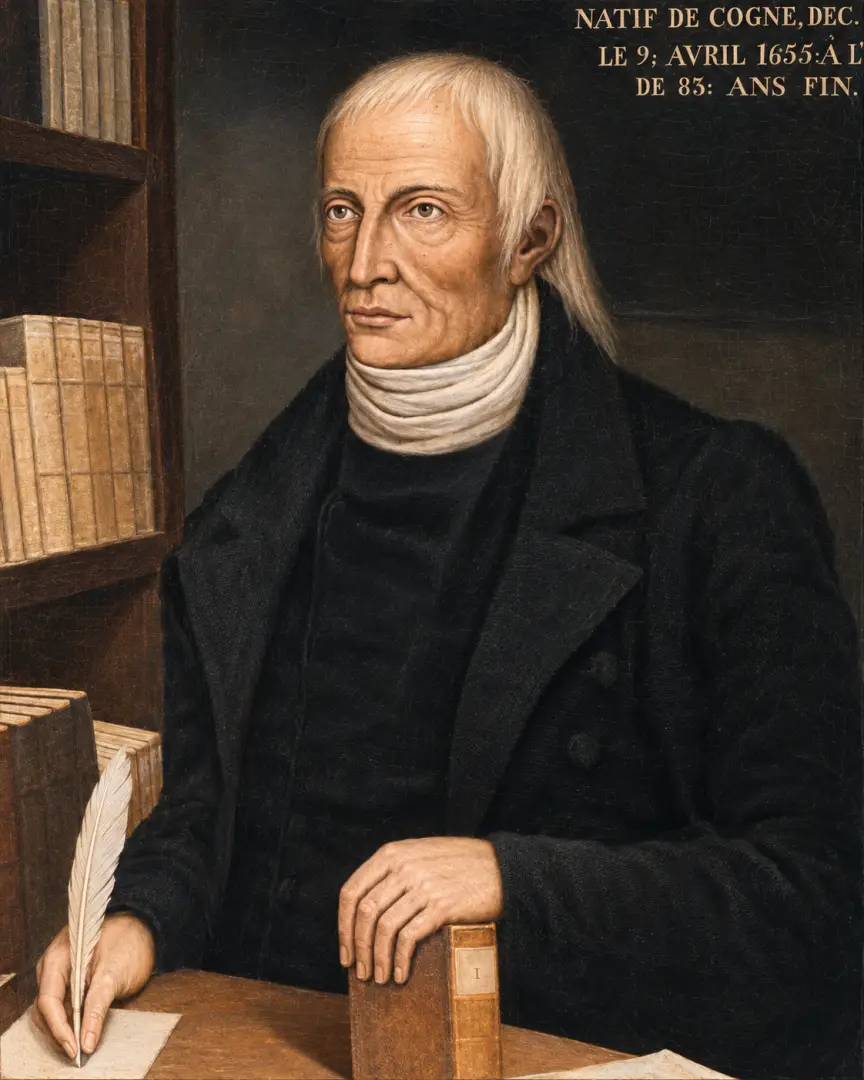
A local doctor and mayor of Cogne between the 18th and 19th centuries; he organised the community-run operation of the iron mines, with the work and profits shared amongst the inhabitants.
Personal details
name: César Emmanuel Grappein
pseudonym / nickname: ‘le docteur Grappein’
date of birth: 22 April 1772 – Cogne
Died: 9 April 1855 – Cogne
Nationality: Italian
Occupation: doctor, mayor, administrator of the municipal mines
Biography
César Emmanuel Grappein was born in Cogne on 22 April 1772. As was often the case with educated young men from the Aosta Valley in his day, he was initially trained for the priesthood, but abandoned this path in favour of medicine and graduated in Turin on 21 May 1804. On his return to Cogne, he practised as a doctor there until his death, often treating the poorest residents free of charge. He is remembered in the valley as ‘Docteur Grappein’.
His name is associated above all with the iron mines of Cogne. Grappein believed that the outsiders, to whom the exploitation of the deposits had hitherto been entrusted, were concerned only with their own profit without bringing any benefit to the community. He therefore organised a community-run system for the mines: he employed only local labour and distributed the profits amongst all the inhabitants, including children. This decision drew opposition from business circles, against whom he wrote several polemical treatises, some of which have been preserved. In 1833, the community project was defeated; Grappein continued to denounce, in writing, the wasteful practices of entrepreneurs and administrators. After his death, the exploitation of the mines returned to companies from outside the valley.
He served as mayor of Cogne for many years. He advocated an elected local administration that would represent at least all heads of households, at a time when the right to vote depended on property qualifications, and short-term public offices. He regarded mass education as a remedy for poverty and lawlessness, and proposed a state school, not tied to any single denomination, with small class sizes and teachers paid a decent wage.
He identified the causes of poverty in the valley as land unsuitable for agriculture, compulsory military service which deprived the community of its most able-bodied men, and the taverns – the only form of entertainment available – with the alcoholism that followed. He saw work for all as the main way out of this situation: for this reason, he did not entrust municipal works to external contractors, but to fellow citizens recruited and paid by the municipality. These projects included an attempt to improve direct links with the Piedmont side, to encourage trade and the purchase of goods at lower prices, and the construction of five irrigation canals. He was in favour of converting less productive land into pasture, to achieve a better balance between labour and yield, but on this point he failed to gain the support of his fellow villagers.
He died on 9 April 1855. In Cogne, his house, known as Maison Grappein or Casa dell’orologio, is the subject of a restoration project by the Grappein Médecin association, established in 2015; in 2017, the municipality hosted the first regional conference on mountain medicine, dedicated to him.